Kenya’s rising public debt continues to tighten fiscal space, with new government figures showing the total loan stock has crossed the Sh12 trillion threshold, driven largely by more borrowing from the domestic market as global credit conditions remain uncertain.
National Treasury records indicate the country’s total public debt reached Sh12.06 trillion in September 2025. Of this, Sh6.66 trillion was sourced locally while Sh5.39 trillion came from external lenders, placing the debt level at 67.3 per cent of the nation’s Gross Domestic Product.
A year earlier, in September 2024, the figure stood at Sh10.8 trillion, meaning the country accumulated about Sh1.26 trillion in additional debt over the 12-month period.
Between June and September alone, the government added roughly Sh250 billion to the loan book, with domestic borrowing increasing by Sh340 billion even as foreign debt fell by about Sh80 billion.
The pattern reflects a continued pivot toward raising funds locally, a path the government adopted firmly during the 2022/23 fiscal year when Kenya faced a challenging Eurobond maturity amid tough external lending conditions, currency weakness, and high global interest rates.
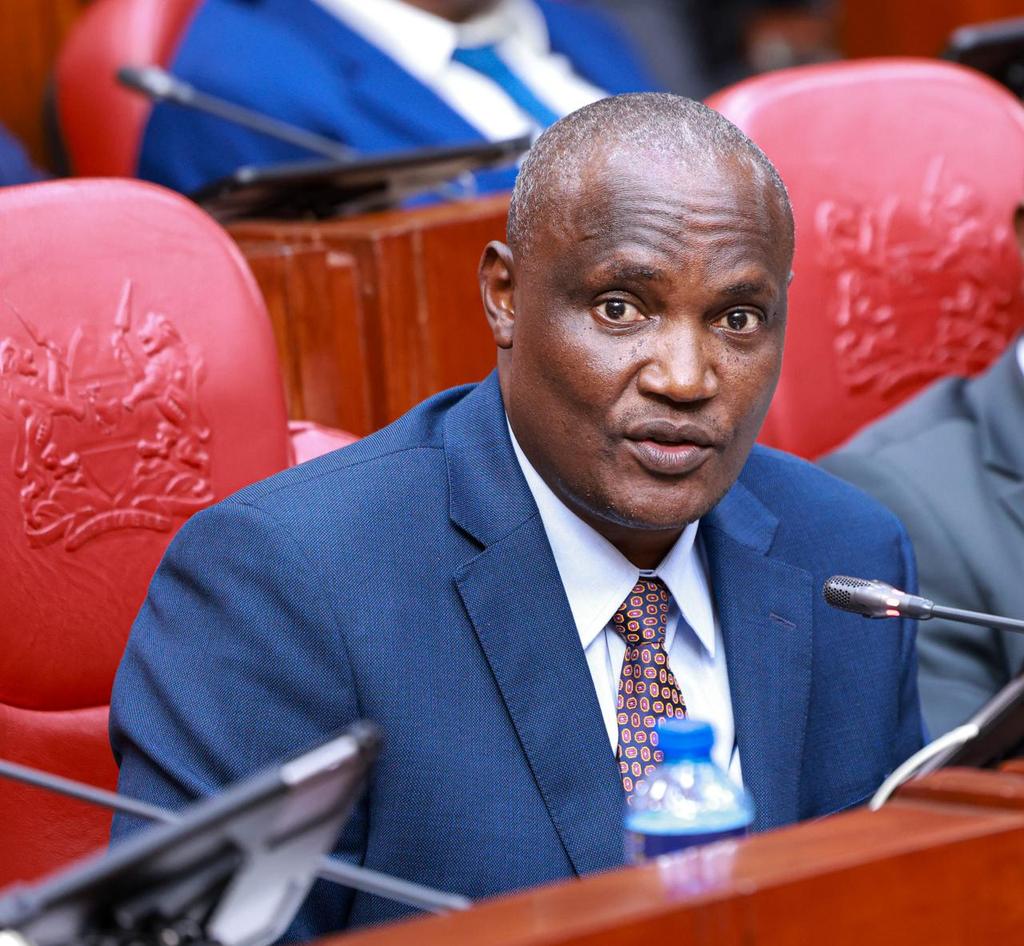
Treasury Cabinet Secretary John Mbadi has argued in the past that relying more on local investors helps cushion the country from exchange rate shocks. But economists have pointed out that domestic loans carry steep interest costs, increasing the burden on taxpayers and squeezing funds for development.
A study by the Institute of Economic Affairs shows domestic borrowing has remained costly. “There is a false notion that local debt is cheaper. In fact, it is almost 3-4 times higher compared to multilateral and external commercial loans whose rates average between four and eight per cent on the higher side,’’ the report reads.
While yields on Treasury bills and bonds have eased to between eight and 13 per cent on average, experts from the institute note the rates still sit above those charged by external financiers.
They recommend that government prioritises public-private arrangements for large infrastructure investments to reduce reliance on loans.
Data from the Controller of Budget, Margaret Nyakang’o, shows domestic debt servicing reached Sh1.05 trillion in the 2024-25 financial year, fuelled by heavy dependence on short-term securities. About Sh632.3 billion went to interest payments while Sh360.1 billion settled outstanding principal.
Treasury reports indicate that in the last quarter, Treasury bonds represented 83 per cent of domestic securities, with Treasury bills accounting for 17 per cent.
Commercial banks held the biggest share of government paper, followed by pension firms and insurance companies. The 91-day Treasury bill rate also eased from 15.8 per cent in September 2024 to 7.9 per cent one year later, signalling improved local borrowing conditions.
On the foreign front, multilateral lenders made up 56.7 per cent of external loans, up from 54.9 per cent in the previous year. Bilateral loans dropped to 18.5 per cent, while commercial external credit accounted for 23.4 per cent.
Kenya also moved to diversify currency exposure, reducing US dollar-denominated loans from 62.1 per cent to 52 per cent, while euro-linked debt rose from 25.5 per cent to 27.9 per cent.
External debt service during the review period stood at Sh97.4 billion, including Sh74.9 billion in principal and Sh22.6 billion in interest.































Comments
Sign in with Google to comment, reply, and like comments.
Continue with Google